
Logic & Patterns

Two5 Category 02[02]

Logic & Patterns

See the pattern. Solve the problem.

Train your eye for patterns, sharpen your reasoning, and learn to spot what others miss. Three quick games. Different ways to think. One place to improve.

Explore the games
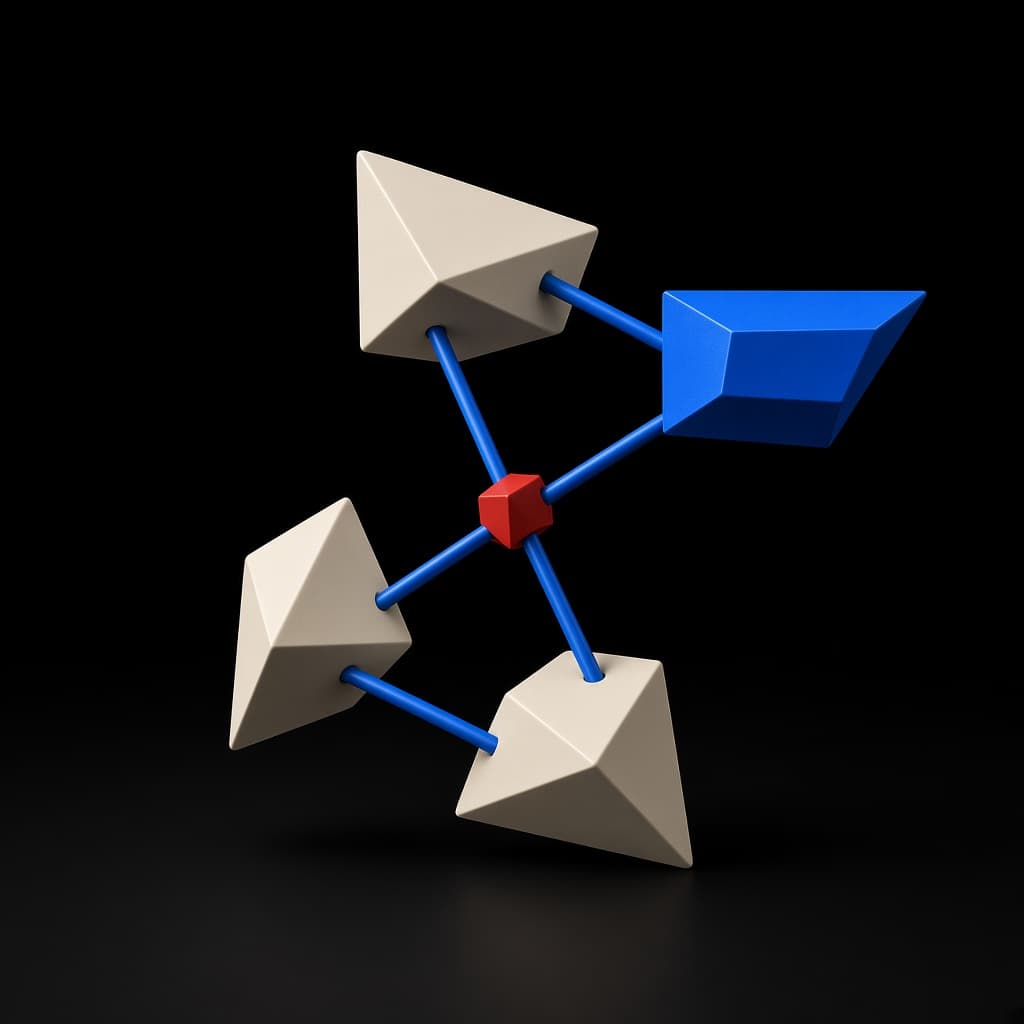
The Logic launch mark on a phone: linked geometric forms, labelled as the second Two5 arena.

Better thinking starts with better challenges.

Logic and pattern games are a way to practise specific skills: seeing how things relate, testing an answer and dropping the ones that fail, noticing a visual difference, and changing course when the rule changes. A round is short, so the same skills are also practised against a clock.

Repeated practice can improve performance on the skills being practised. These games do not raise IQ, prevent dementia, or produce a general gain in intelligence.

  • Relationships

    Find what a set shares, and what one item breaks.

  • Eliminate

    Test an answer. Drop it when it fails the rule.

  • Look closer

    A difference can be visual, and still be unambiguous.

  • Switch

    When the rule changes, stop using the old one.

Three games. Three ways to think.

Each block below is an introduction. The game screens are not shown, and nothing here starts a round.

Game 01

OddOne

Spot what doesn't fit.

Find the item that breaks the pattern. Look closer, identify the rule, and make your move.

How it works. A round would show a small set of items. One of them breaks a single rule. The task is to find that one.

Skill focus. Classification, relational reasoning, and pattern recognition.

What makes it interesting. The set looks even until the rule is visible. The work is naming what the others share, then finding the item that does not.

Training, Solo and Compete are planned for OddOne. This page does not open a round, and the game screen is not shown here.

Concept note · screen not shown

OddOne

Spot what doesn't fit.

The play screen for OddOne is not published. Rules, timing and scoring are still being designed.

Game 02

Missing

Complete the pattern.

One tile is missing. Study the grid, discover the relationship, and choose the piece that completes it.

How it works. A round would show a small grid with one empty place, and a few possible tiles. One relationship decides the missing piece.

Skill focus. Visual pattern recognition and relational reasoning.

What makes it interesting. The grid is a rule in space. A row, a column, or a turn can be enough. The empty place is where that rule has to hold.

Training, Solo and Compete are planned for Missing. This page does not open a grid, and the game screen is not shown here.

Concept note · screen not shown

Missing

Complete the pattern.

The play screen for Missing is not published. Rules, timing and scoring are still being designed.

Game 03

Switch

The rules just changed.

Follow a rule, then adapt when it changes. Stay sharp, ignore the old rule, and react correctly.

How it works. A round would name a rule, then change it. The change would be signalled. After that, the old rule would no longer count.

Skill focus. Rule switching, cognitive flexibility, and response inhibition.

What makes it interesting. The hard part is stopping. The previous rule still feels active. Switch is about following the rule that is actually on screen.

Training, Solo and Compete are planned for Switch. This page does not open a round, and the game screen is not shown here.

Concept note · screen not shown

Switch

The rules just changed.

The play screen for Switch is not published. Rules, timing and scoring are still being designed.

One arena. Three ways to play.

Training, Solo and Compete are planned for OddOne, Missing and Switch. This page does not open a match, a ranking, or a round.

  1. 01

    Training

    Understand the thinking.

    Learn the strategies behind challenges, explore worked examples, practise approaches and understand why a solution works.

  2. 02

    Solo

    Challenge yourself.

    Play independently, improve your consistency, build records and take on progressively challenging rounds.

  3. 03

    Compete

    Put your skills to the test.

    Challenge other players through comparable challenges and see how your performance measures up.

Notes

The other arenas and the longer notes sit on their own pages. None of them opens a Logic round.

The thinking behind Logic.

The arena takes an interest in how people notice a rule, test it, and drop it when it changes. That interest is written up as a research note. It is not a claim that this page trains intelligence in general.

Research informs the design, but it does not establish that playing Two5 improves IQ, general intelligence or performance outside the specific skills being practised. The effectiveness of the games must be evaluated independently.

The note is on Logic.

Give your brain a run.

One more puzzle. One better score. Find out how far your thinking can take you. Logic & Patterns is not open to play yet. Join the waitlist to follow the arena.